



Inside Kansas Nursing Homes: Through the Eyes of the Experts

July 31, 2025

Inside Kansas Nursing Homes: A Special Series Returns in Honor of KABC’s 50th Anniversary


In celebration of Kansas Advocates for Better Care’s 50th anniversary, we are proud to reintroduce a powerful special series from our early days as Kansans for Improvement of Nursing Homes. Originally launched in the mid-1980s, Inside Kansas Nursing Homes: Through the Eyes of the Experts offered an unflinching look at nursing home care across Kansas, as observed by those who know it best: the relatives, friends, residents, and caregivers of residents.


Now, nearly four decades later, we are bringing this vital series back, with the same grassroots spirit and commitment to truth. This first issue of Volume One marks the beginning of our updated report on the current state of nursing home care in Kansas, informed by the honest voices of frequent visitors who witness daily life inside these facilities.


Since April 2025, we have been gathering recorded and transcribed conversations with individuals who care deeply about their loved ones in long-term care. These candid reflections are edited to preserve confidentiality—identifying details are removed, names are changed, and nursing homes are referred to by assigned numbers and regions. Mentions of facilities in passing are designated with alphabetical letters (e.g., Nursing Home A).


Over the next year, we aim to gather insights on at least 40 to 50 percent of Kansas’s 305 nursing homes. Volume One of this series, covering roughly 40 homes, will be released in serial form over the coming weeks.

Through these voices, we invite readers to reflect, question, and advocate, just as we did in the 1980s. Because meaningful change begins when we listen.

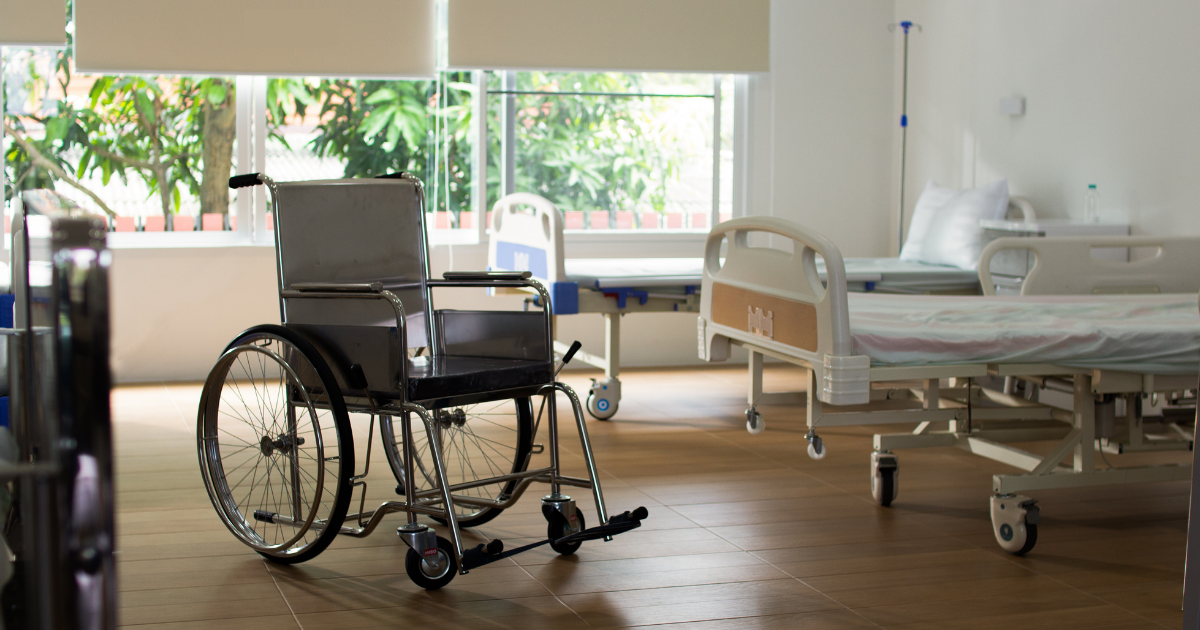
A nursing home room with two hospital beds and a wheelchair
By Libby Hastings May 31, 2026
Kansas has announced that it is exiting the Money Follows the Person (MFP) program, citing a drastic reduction in and possible elimination of federal funding. According to the Kansas Department for Aging and Disability Services (KDADS), the state had planned to reinstate the program on July 1 after several years of inactivity. Instead, Kansas is now withdrawing from the program altogether. For many Kansans, this decision represents a significant missed opportunity. The MFP program was created to help states rebalance their long-term services and supports systems by making it easier for people to move from institutional settings, such as nursing facilities, back into homes and communities. The program provided funding for critical transition expenses, including home modifications, furniture, bedding, kitchen supplies, and other necessities that help make community living possible. At its core, MFP recognized a simple truth: most people want to live in their own homes and communities, not institutions. Research consistently shows that older adults overwhelmingly prefer to age in place. In an AARP survey, 75 percent of older adults reported wanting to remain in their homes as they age. Yet many feel they will eventually have no choice but to move into a facility because the supports needed to remain at home are unavailable or unaffordable. Programs like MFP help bridge that gap. When people remain in nursing facilities despite being able to live safely in the community, there are consequences, not only for the individual, but for the state as a whole. First, individuals lose autonomy and control over their daily lives. Living in the community allows people to decide when they wake up, what they eat, who they spend time with, and how they participate in their neighborhoods. These choices may seem small, but they are fundamental to dignity and quality of life. Second, unnecessary institutionalization can contribute to social isolation. People living in their own homes can remain connected to friends, family, faith communities, volunteer opportunities, and local activities. Community integration promotes both physical and emotional well-being. Third, keeping people in nursing facilities when they could thrive in the community often comes at a higher cost to the Medicaid system. Home and community-based services are frequently less expensive than institutional care while also aligning with what most people prefer. Helping individuals remain in the least restrictive setting can benefit both taxpayers and the people receiving services. Finally, programs like MFP help remove barriers that prevent people from exercising their right to choose where they receive care. Transitioning from a nursing facility to the community is often not as simple as opening the front door and leaving. Many individuals need assistance securing housing, obtaining household items, modifying their homes for accessibility, or coordinating services. Without dedicated funding and support, these barriers can become insurmountable. Kansas has made progress over the years in expanding home and community-based services, but significant challenges remain. Housing shortages, workforce shortages among direct care workers, and waiting lists for services continue to make community living difficult for many people. The loss of Money Follows the Person means one fewer tool available to help Kansans return home.
The Kansas Capitol's second-floor rotunda features various flags, murals, and statues.
By Barb Conant May 1, 2026
2026 legislative wrap-up for long-term care advocates in Kansas.