


Fixing a Fragmented System
Libby Hastings • December 29, 2025
Fixing a Fragmented System: Dementia Care and Support in Kansas
While services exist for older adults with dementia or cognitive impairments and their caregivers, access is fractured, spread across agencies, and contracted to various partners. Funding streams and eligibility rules are not aligned. Families are forced to self-navigate a complex system without a single professional looking out for the older person’s best interest, especially at a time when they are least able to do so. This is particularly true in rural and frontier counties where provider choice is limited, and family caregivers carry most of the burden.
There are existing policies and structural issues that unintentionally limit access to timely, effective, and person-centered support for individuals with dementia or cognitive impairment. Several structural issues limit access: a) State funding and investment prioritize institutional care over community-based services. b) Kansas’s Medicaid eligibility and service authorization processes are fragmented, slow, and rigid, which makes our system difficult to navigate. c) Workforce policies fail to address shortages, particularly in rural and frontier areas, resulting in approved services that, at times, cannot be delivered. These policies were never designed to restrict access, but the cumulative effect does exactly that.
Effective models for supporting individuals with dementia and their caregivers share some common traits: a) Strong community partnerships between Area Agencies on Aging, local providers, and advocacy organizations. b) Care coordination/case management service models that offer a single, trusted professional or point of contact. c) Flexible use of funds to care coordination, that support respite, and resource education. Programs succeed better when they reduce complexity.
The most urgent gaps in services and support are: a) Timely access to services before a hospital stay & discharge. b) Reliable caregiver support, including respite, education, and training. c) Capable direct care workers, particularly in rural communities. Too often, assistance arrives only after families are overwhelmed or burnt out.
Two steps would make an immediate difference in strengthening dementia-capable systems: a) Implement or re-invest in community care coordination to perhaps span across agencies and various funding sources. b) Strengthen the community-based direct care workforce through targeted reimbursement increases tied to community-based and/or dementia-specific training. Both are achievable within existing structures.
Three state-level priorities or investments that would most improve outcomes for older adults living with dementia or other cognitive impairments in Kansas include: rebalancing long-term care funding or investment to better support community-based services, holding systems accountable for outcomes, especially where public dollars are invested and aligning policy, funding, and accountability around what families actually need to succeed at home along with their older family member.
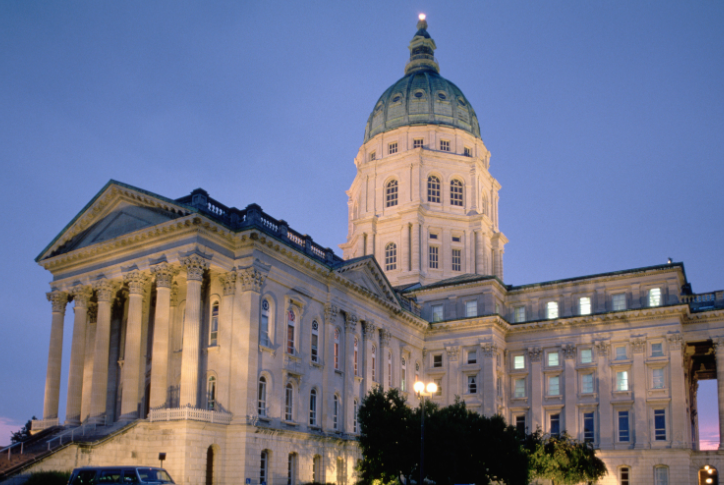
Kansas Advocates for Better Care testified on FE waiver funding and supported bills on decision-making, dementia training, and memory care standards.
In 2025, KABC marked a major milestone: 50 years of advocating for the safety, dignity, and rights of older Kansans. Our newly released 2025 Impact Report reflects a year of meaningful progress, powerful advocacy, and deep community connection. This past year, KABC assisted hundreds of residents and families through direct advocacy, strengthened long-term care oversight through legislative work, and expanded access to information with the launch of a statewide senior resource directory in partnership with KDADS. We also amplified resident voices through media coverage, testified before legislative committees, and successfully countered efforts that would have weakened long-term care safety standards. As part of our 50th anniversary, we brought advocacy into the community with new events like Revving Up Joy, a classic car show connecting residents and neighbors, and a public screening of No Country for Old People , sparking critical conversations about the realities of long-term care in America. None of this work is possible without the support of our donors, partners, board members, and volunteers. Your commitment fuels our mission and helps ensure older Kansans are seen, heard, and protected. Read our full 2025 Impact Report here .