



Advocacy in Action (January 2026): Legislative Preview
Barb Conant • January 2, 2026
2026 Legislative Preview
The 2026 session promises to be as fast-paced as last year's. Similar to 2025, leadership has adopted a compressed 90-calendar day session, scheduled to run from January 12 to April 11. Shorter breaks and deadlines will reduce the session by nearly a month.
It’s important to remember that with 125 members in the Kansas House of Representatives and 40 in the Senate, 84 House votes and 27 Senate votes are needed to put measures on the ballot as constitutional amendments or to override a veto. There are 88 Republicans and 37 Democrats in the House. The Senate breaks down to 31 Republicans and 9 Democrats.
Budget
The budget is the legislature's primary constitutional responsibility and will be its major focus. Budget chairs have signaled they are looking to cut $200 million in State General Funds, much of which could be directed at Medicaid. The legislature again plans to draft its own budget rather than using the governor’s as the starting point. From an advocacy perspective, committees will not have lengthy hearings on budget proposals, so it’s important for legislators to hear directly from stakeholders and constituents.
Federal issues, such as the shifting of $50-60 million for Supplemental Nutrition Assistance Program (SNAP) to the state, will compete for funding within the budget discussion. For example, the passage of the federal HR1 shifts approximately $40 million in costs to the state and adds $15-20 million in administrative expenses.
KABC Priorities
At the same time, the State has indicated it needs an additional allocation of $30 million in State General Funds to avoid creating a waiting list for people over 65 who need home and community-based services to remain in their homes. This could affect an estimated 600 older adults who are functionally and financially eligible for the Frail Elderly waiver services.
Avoiding a waiting list for these older adults is a high priority for KABC. We are actively working with a coalition of other stakeholders to advocate for this funding.
KABC continues to advocate for policies that support adequate staffing in adult care homes. Low staffing ratios directly contribute to poorer quality care, such as an increased use of antipsychotic drugs, higher and more severe situations of noncompliance.
Throughout the session, KABC monitors legislation and works with legislators and State policy makers to support person-centered policies and programs while protecting the rights of aging persons and those with disabilities. We encourage you to get acquainted with your elected officials. Your experiences and observations about long-term care in Kansas helps build their knowledge, giving them first-hand information about the needs of the people they serve.
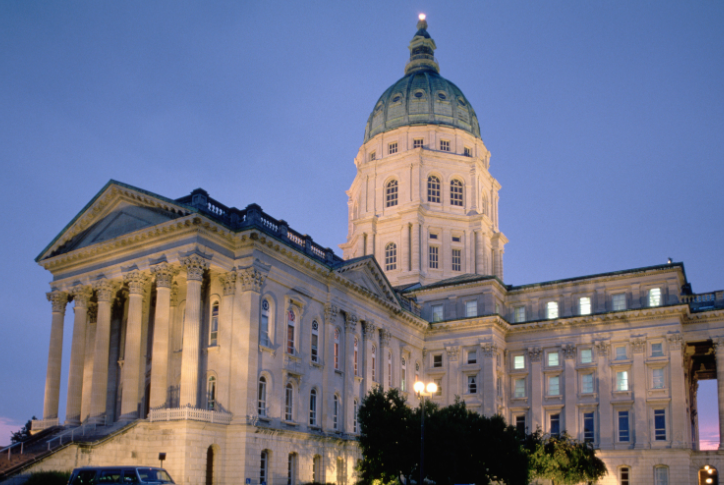
Kansas Advocates for Better Care testified on FE waiver funding and supported bills on decision-making, dementia training, and memory care standards.

In 2025, KABC marked a major milestone: 50 years of advocating for the safety, dignity, and rights of older Kansans. Our newly released 2025 Impact Report reflects a year of meaningful progress, powerful advocacy, and deep community connection. This past year, KABC assisted hundreds of residents and families through direct advocacy, strengthened long-term care oversight through legislative work, and expanded access to information with the launch of a statewide senior resource directory in partnership with KDADS. We also amplified resident voices through media coverage, testified before legislative committees, and successfully countered efforts that would have weakened long-term care safety standards. As part of our 50th anniversary, we brought advocacy into the community with new events like Revving Up Joy, a classic car show connecting residents and neighbors, and a public screening of No Country for Old People , sparking critical conversations about the realities of long-term care in America. None of this work is possible without the support of our donors, partners, board members, and volunteers. Your commitment fuels our mission and helps ensure older Kansans are seen, heard, and protected. Read our full 2025 Impact Report here .